


30 Sep Can Thyroid Disorders Trigger Frequent Headaches?
We’ve all had those days — the splitting headache that won’t go away, blamed on stress, dehydration or perhaps one too many late nights. But what if there is another explanation, right in front of our eyes? Might your thyroid — a little butterfly-shaped gland in the front of your neck that helps set your metabolism — be to blame for those persistent headaches?
Here’s where it gets interesting: your thyroid not only modulates metabolism and energy, but also is affected by your genes. And those genes may offer a clue to understanding why some people are more susceptible to thyroid problems, and the headaches that frequently accompany them.

The Thyroid’s Role In The Body

Consider your thyroid the backstage manager of your entire body. Small it may be, but it’s in charge of everything—from how much energy you’re burning to how efficiently you’re snoozing and even how sharp your focus is. You don’t even notice it’s there, and when it’s in balance. But when things go off-kilter? Your entire system feels the ripples.
It’s this gland that makes hormones — primarily T3 and T4 — to regulate your metabolism and energy. They are also wired into your nervous system, so if your thyroid is under- or overactive, then yes, it’s possible to lead to some seriously inconvenient headaches. It’s sort of like your body’s way of waving a red flag, saying: “Hey, something isn’t quite right here!”
Thyroid Disorders and Headaches: The Science
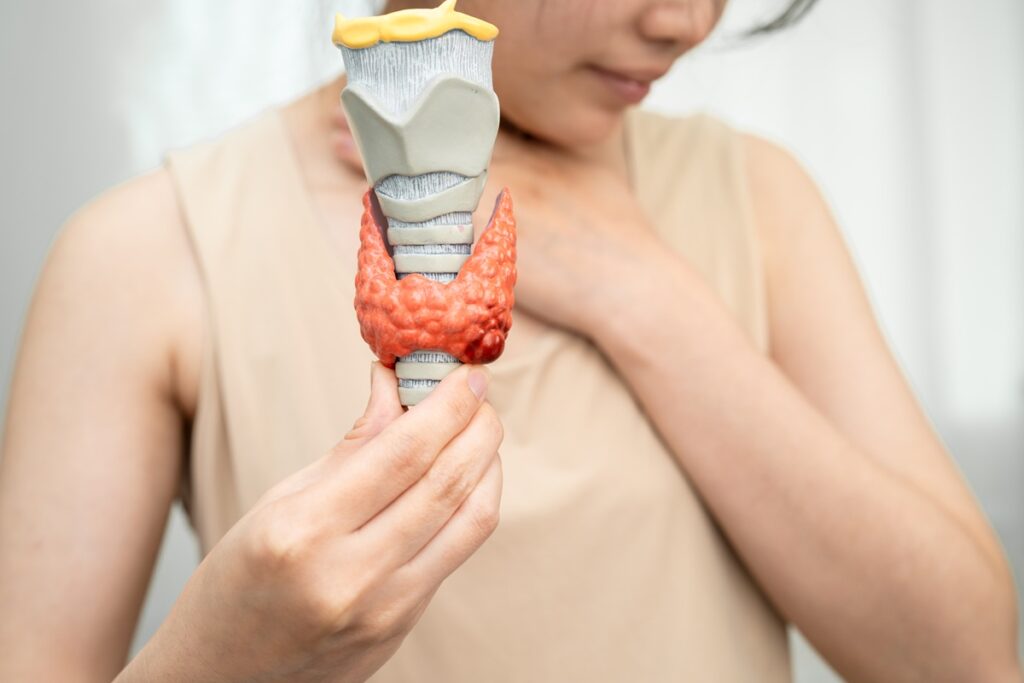
Here’s where it starts to get interesting — your thyroid can affect what type of headaches you have.
- When your thyroid is underactive (hypothyroidism), the body becomes sluggish, and in some cases, you can experience tension-type headaches that feel like there’s a tight band around your head.
- Conversely, with an overactive thyroid (hyperthyroidism), everything gets revved up — sometimes enough to cause pulsating migraines through increased blood flow and overstimulation.
- Autoimmune thyroid conditions, such as Hashimoto’s disease, add another wrinkle. Inflammation from the immune system beating up on the thyroid can spill over and target the nervous system, triggering bouts of head pain.
Fascinating fact: Studies show that nearly one in three people with thyroid disorders also experience frequent headaches — a connection that often goes overlooked.
The Genetic Connection Between The Thyroid and Headaches

Here’s the part that makes your DNA so interesting—your genes play a role in how well your thyroid is going to function. Some genetic variations, such as those in the TSHR and FOXE1 genes, are associated with thyroid conditions. In other words, if there is a history of thyroid problems in your family, you may have inherited an increased risk.
But it’s not all bad news. If you know your genetic blueprint, you can take proactive measures long before symptoms spiral out of control. YOLO Health’s DNA testing kit will reveal your risk factors for thyroid imbalances, and allow you to modify your diet, lifestyle, and even medical approach in a way that supports – instead of disrupts – your body.
Fascinating fact: If one identical twin develops hypothyroidism, the other twin has a 55% chance of developing it too — a striking example of how strong our genes’ influence can be.
When to Suspect Your Headaches Are Thyroid-Related

Not every headache is caused by your thyroid, but when they show up with other symptoms like hair loss, unexplained weight gain or fatigue, it’s something to be aware of. If you’re
- feeling perpetually tired,
- experiencing shifts in your skin or hair,
- battling mysterious weight gain (or loss) or
- discovering an unparalleled sensitivity to heat or cold,
your thyroid may be trying to tell you something. Headaches that come along with these signs may be more than just ordinary migraines. They could be part of a larger hormonal tableau.
Fascinating fact: Women are up to five times more likely than men to develop thyroid problems — and many report headaches as one of their earliest symptoms.
Managing Thyroid-Related Headaches

If you think your thyroid might be to blame for those stubborn headaches and migraines, a thorough examination is the logical first step. Your doctor can diagnose an over- or underactive gland through a simple blood test, which measures levels of TSH, T3, and T4 (the hormones secreted by the thyroid) as well as thyroid antibodies. Your practitioner can then recommend the appropriate treatment—which in many cases means a combination of medication, monitoring, and lifestyle changes.
But here’s where you can also take action to support your thyroid naturally:
- Eat wisely: Iodine, selenium and zinc are important nutrients for your thyroid.
- Stress less: chronic stress can disrupt your hormone balance and exacerbate headaches.
- Favour sleep: your thyroid and nervous system can do with all the help they can get in terms of rest.
- Know your DNA: Insight into genetics can help inform how your body breaks down nutrients, responds to stress, and regulates hormones—guiding informed decisions based directly on your biology.
Want to explore this topic a little more? Be sure to know the difference between a normal headache and a thyroid headache.
Take Note of Your Body’s Signals

Headaches can seem like regular old nuisances, but sometimes they can be your body’s way of whispering (or screaming) that something else is going on. Your thyroid — and even your genes — may be contributing more to it than you realise. The good news? With the root of the problem understood, you can reclaim your health.
And here’s some exciting news: Your DNA can provide the clues you need long before your symptoms swirl. Using the YOLO DNA Health Test Kit, you can unlock your individual blueprint, identify thyroid risks, and receive personalised lifestyle insights to help keep headaches (and hormone havoc) in line.
Because when your genes talk, we translate — so you can live headache-free and fully you.
Sorry, the comment form is closed at this time.