


19 Nov Food and Hormone Balance: Here’s The Link
Hormones are the body’s messengers, working hard to keep your body in balance and functioning optimally. However, hormones can be sensitive to certain foods. Your body reacts—in different ways—with low energy, weight gain, sleep loss, moodiness, and even acne, to foods that do not align well with specific hormones.
Knowing the genetic code of your hormones can assist you in knowing which foods contribute to the balance of your hormones and which foods throw your body for a loop.

The Gut-Hormone Connection: Where It All Starts

Over 90% of your serotonin (the happy hormone) is produced in your gut. Your gut is part of the process of blood sugar control, maintaining a strong immune system, cortisol regulation, and maintenance of the gut microbiome. This microbiome is enhanced or disrupted by certain foods.
Foods That Keep Hormones in Balance
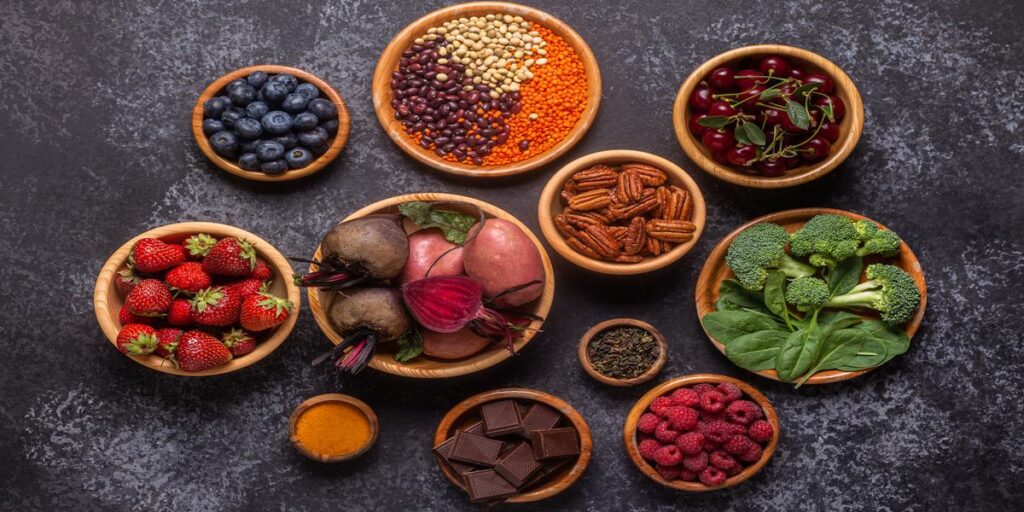
As there are quite literally trillions of microorganisms in your gut microbiome, they require a variety of plant fibres to thrive, as different organisms prefer different whole foods.
Sadly, food options today are limited in whole foods. Nowadays, many of our foods are processed, “ready to eat”, high in sugar, and containing less healthy fats.
But there are some foods and supplements you can add to your diet to assist your gut microbiome:
- Vegetables and wholegrains that are high in fibre. These help stabilise blood sugar, which helps with the afternoon slump.
- Omega-3 fats, which help control inflammation.
- High-quality proteins, including free-range meat, to support hormone synthesis.
- Fermented foods, including sauerkraut, pickled veggies, and yoghurt, which assist the gut-brain-hormone communication channel.
Foods That Trigger Imbalance and Why

As mentioned earlier, a majority of foods today are processed, high in sugar and fats, and contain preservatives and colourants. These are not the only foods that disrupt the gut microbiome; alcohol and caffeine do too. More specifically, these spike your cortisol levels, your stress hormone, deregulate insulin, your blood sugar-regulating hormone, and worsen inflammation. Each of these blockers affects how your body’s detoxing pathways work, which are essential for hormone metabolism.
The Hidden Effect of Chronically Elevated Stress Hormones

It can be a vicious cycle: your gut microbiome is off from eating the wrong foods, your cortisol spikes, and you crave the wrong foods.
Leptin is the appetite hormone and can be increased or decreased based on the foods you eat. Leptin is released from fat cells in adipose tissue. In other words, the foods you eat can increase adipose tissue, therefore increase your Leptin levels (a.k.a your appetite), which can have you crave those foods all over again.
That’s why it’s important to have a personalised view of what foods work for your body, how well your body digests foods, and how your body genetically handles stress. Having this information in conjunction with your hormone profile can help you live better, happier, and more balanced.
Personalised Nutrition: Why Your Hormones Don’t Behave Like Anyone Else’s

As you can see, genetics, hormones, and diet are interconnected. Hence, it is important to understand the unique genetic markers you have to positively influence each of these factors as they work together. Personalised insights are far more effective than generic diets.
The YOLO Health DNA Health Test Kit identifies if you have any predispositions relating to insulin receptivity, inflammation, digestion issues, stress resilience, and more. With these insights, you are able to tailor your eating habits to support your hormones and balance them more precisely.
Learn about why some diets for others but not for you.
Turning Insight into Action

As part of your purchase of our DNA Health Test Kit, you also receive a Nutrition & Lifestyle Guide with practical tips such as how to maintain consistent meal timing and sleep schedule, which foods to avoid, and how to improve your gut health.
All these lifestyle changes lead to long-term hormonal stability, and a personalised understanding that fosters sustainable change.
Sorry, the comment form is closed at this time.